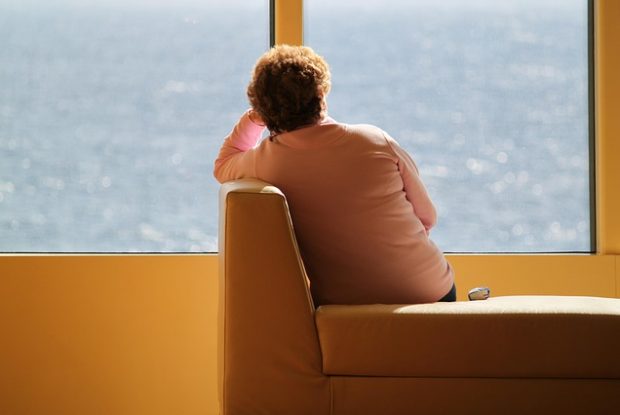
Going through a divorce is never easy, regardless of the circumstances. Some divorces can be perfectly amicable while others are acrimonious and end up going through the courts.
Once everything has gone through and you’re legally no longer married to the person you once hoped you’d spend your life with, there’s a period of adjustment that many divorcees go through.
In this article, we’ll explore ten tips that may help you adjust to your new life on your own, or perhaps with a new partner.
#1 – Don’t dwell on the past
This is easier said than done. Everyone makes mistakes in life and after a divorce; dwelling on the past means it will only take longer for you to accept your new circumstances. For example, if you lived in a luxurious four-bedroom house with your ex-spouse and are now in a two-bedroom flat on your own, don’t look back and wish for what you had. Embrace your current situation and make the best of it. You can only influence what’s going to happen in your future so dwelling on the past is pointless.
#2 – Get out of your comfort zone
There are many divorced men and women that suddenly find themselves socially isolated when split with their spouse. Unfortunately, friends and family members often take sides in divorce cases.
If you’re in the situation where you need to start again, you need to make a massive effort to get out of your comfort zone by doing new things and meeting new people. Your attitude to your new circumstances will go a long way to determining how the rest of your life will pan out.
A lot of people find moving to a new area and starting afresh is beneficial after a divorce so they can physically as well as mentally leave the past behind and start their new life with a clean slate and develop a new social circle.
#3 – Don’t bottle your feelings up
In many divorce cases, one party leaves the marriage feeling angry and aggrieved because of the way they were treated, for example in cases of adultery or violent behaviour. If you’ve been through a particularly hard divorce, it’s important to talk about your emotions and not bottle them up.
Men in particular often find this difficult and just ‘soldier on’ because they believe it’s what they should do. Divorce has been linked to an increased risk of anxiety and depression so it’s important to find someone you can open up to, whether it’s someone you know or a counsellor in your local area.
#4 – Don’t set a time limit for ‘getting over it’
The amount of time it takes someone to ‘move on’ after getting divorced varies widely depending on the person and their circumstances. For example, you might be mightily relieved to be away from your ex and be eager to enjoy your new-found freedom.
On the flip side, a long, drawn-out divorce can really take its toll physically and mentally. Just like when you’re grieving for a lost loved one, you shouldn’t put a time limit on getting over a divorce. Other people may have their opinions, but it’s important to take things at your own pace.
#5 – Think about the ‘how’ rather than the ‘why’
Going through a divorce can often be a very negative experience. It’s easy to look inward and think about why things turned out this way and what you could have done differently.
Rather than going down the “why did this happen?” route, you can flip things around by thinking “how can I use my new situation to get the life I really want?” For example, you may have always wanted to start your new business but never had the money, or wanted to go back to University to study towards a career change.
#6 – Write everything down
Harbouring feelings of resentment and anger towards your ex will only prolong your post-divorce suffering. The best way to get the negative thoughts out of your head is to write them down. You could do this all at once, or take it day-by-day.
Keeping a journal lets you get the negative emotions out of your head and down on paper. For some people, documenting everything then destroying it is a powerful way to leave the past behind.
#7 – Avoid snap decisions
The aftermath of a divorce can be an emotional rollercoaster. One day you may feel like throwing caution to the wind and emigrating to a new country, and the next you may feel low, confused and unable to think clearly.
As we mentioned in point 4, it’s important to just take your time dealing with things. The last thing you need after the break-up of your marriage is to get into another stressful situation, whether it’s rushing into moving to a new area or starting a new relationship.
#8 – Explore mindfulness
Mindfulness is simply learning to take each moment as it comes and be in the now rather than the past or future. The mindfulness movement is growing in popularity and can help keep your focus on what you’re doing at any given time rather than letting your mind worry about what you could have done differently in your marriage, or how you might cope financially in the future.
Discover more about mindfulness
#9 – Take care of yourself
Some divorces can be incredibly tough to deal with. If you’ve been through a torrid time, you may feel like masking how you’re feeling by drinking alcohol to help you cope or eating unhealthily. As hard as it is, when you’re natural instinct is to go down either of these roads, that’s when you need to be at your strongest and do the opposite.
Looking after your physical health is a great way to reduce the stress and anguish you may be feeling after your divorce. Eating the right foods and exercising regularly can help to make sure your new life starts out in a positive manner rather than a destructive one.
#10 – Don’t be surprised by people’s reactions
We’ve seen many divorce cases where people have lost life-long friendships as a result. Those closest to you will always have an opinion about who’s to blame, why it happened etc.
Losing contact with close friends on top of a divorce can feel like the end of the world, but would people who really cared about you act that way? A divorce can actually act like a good filter to help you flush out the people who don’t have your best interests at heart.
Trying to understand other people’s behaviour when it’s emotional and irrational will only drag you down. It can be incredibly hurtful when people disown you after a divorce, but as we said in point 8, focusing on the present moment through mindfulness can help you deal with anger and bitterness based in the past.
Summary
The impact of divorce on an individual can vary wildly from case to case, but here’s a quick recap of our top 10 tips to help you adjust to your new life:
- Leave the past where it belongs
- Try new things and meet new people
- Talk about how you’re feeling
- Don’t put pressure on yourself
- Think about how you can shape the future you want
- Put everything down on paper
- Don’t make impulsive decisions
- Try mindfulness
- Look after your wellbeing
- Expect the unexpected
If you’re thinking about getting a divorce and are worried about what might happen afterwards, contact our family law team and we’ll do everything we can to help.