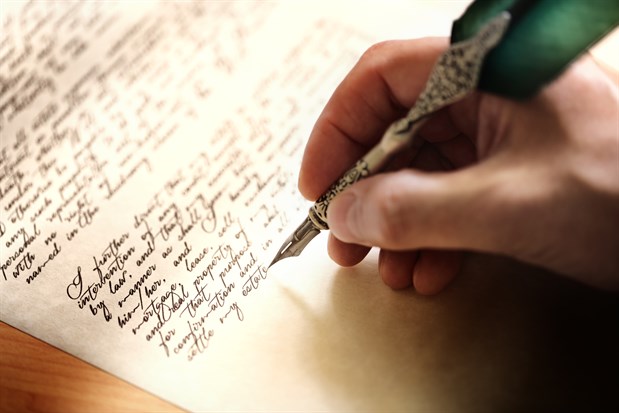
For most people, making a will should not be complicated or too time consuming, yet approximately 30 million adults in the UK alone have no will in place. We never know when our time might be up, so it’s important that we think about making a will quite early on in life.
Not taking the time to ensure your loved ones are left with something when you pass away can really make things complicated for those left behind. The last thing you should want is for someone you love, who is already grief-stricken, to have to go through a number of legal battles, just to get what you wanted to leave them behind.
If you are planning on making a will in Scotland, there are a number of things you should consider before making the commitment to leave your assets to those important to you.
Here are 5 things to consider when making a will in Scotland:
1. The practicalities
The laws regarding writing a will in Scotland are different from those in England, so before making a will, you should make sure that the correct rules are followed.
To make a will in Scotland, you must be over the age of 12 years old (whereas in England you must be over the age of 18) and of sound mind.
The will must be in writing and the person making the will must sign every page of it. There must also be a witness present. After the person making the will has signed the pages, the witness must sign the last page, complete their name and address and the date and place of signing must be inserted.
Anyone can act as the witness for signing your will, but they must be over the age of 18, of sound mind and know who you are. It is also advisable to use someone who is not a beneficiary as the witness as allowing a beneficiary to witness you sign the will could leave the will open to challenge.
If you get married in Scotland with a will already in place, your marriage will have no effect on the will’s validity, although it is advised that you review your will when going through such a life-changing event. Your new spouse will also acquire certain “legal rights” to your moveable estate, regardless of the terms of your will (discussed below).
If you have heritable assets overseas then it is advised that you seek the advice of someone specialised in the laws of that country, as a lot of countries have special rules about what happens to your assets on death.
2. Your spouse and children’s’ legal rights
Regardless of the terms of your will, your surviving children and spouse are entitled to claim a share of your moveable estate. Your moveable estate includes things such as cash in the bank, investments, cars, and jewellery. Where there is both a surviving spouse and children, the spouse can claim a 1/3 of the moveable estate and the children a 1/3 equally among them. The surviving children or spouse will have a choice of whether to take either the legacy under your will or their entitlement to legal rights, but they cannot take both.
Many couples assume that they can leave their whole estate to each other on the first death and then to the children on the second death, but legal rights mean that your children can claim a share of your moveable estate on the first death. If this is something that concerns you, you should seek specialist legal advice.
3. Executors and trustees
Once you have passed away, a person will be needed to be responsible for administering your estate and ensuring the terms of the will are implemented – this person is known as an executor. There can be more than one executor acting.
If your will makes provision for an ongoing trust (for instance a trust for young beneficiaries), it will also be necessary to choose the person or people responsible for administering that trust – who are known as trustees. It is quite common for the trustees to be the same people as the executors.
Before you go to visit your solicitor, you should put some thought into who you will choose as the executors and trustees. Once you’ve decided who you wish to appoint, you should write down their full names and addresses and hand them over to your solicitor.
You may be interested in reading: When Someone Dies in Scotland: A Legal Checklist
4. Just what to put in your will
Before making a will, you should consider just what you plan to leave behind for those important to you. Make a list of the money or specific items of your property that you wish to leave to each person. This will greatly assist your solicitor when it comes to making the will.
Any of your estate that is left after any liabilities have been paid off and after the money and specific items have all been given to the beneficiaries is considered the “residue” of your estate.
You should also take time to consider who receives the residue of your estate.
5. Charity
There are countless charities around Scotland and the UK that rely on donations so that they can keep up their terrific work. All charitable gifts left in your will to UK-registered charities are exempt from inheritance tax, so if there are charities that you have a strong affinity with for personal reasons, you might want to consider putting them in your will.
If you choose to partially or fully disinherit a child or spouse in favour of a chosen charity, you should also consider leaving a letter with the will explaining your reasons behind the decision. This can help answer any questions a loved one may have about the will and also help avoid costly legal disputes.